
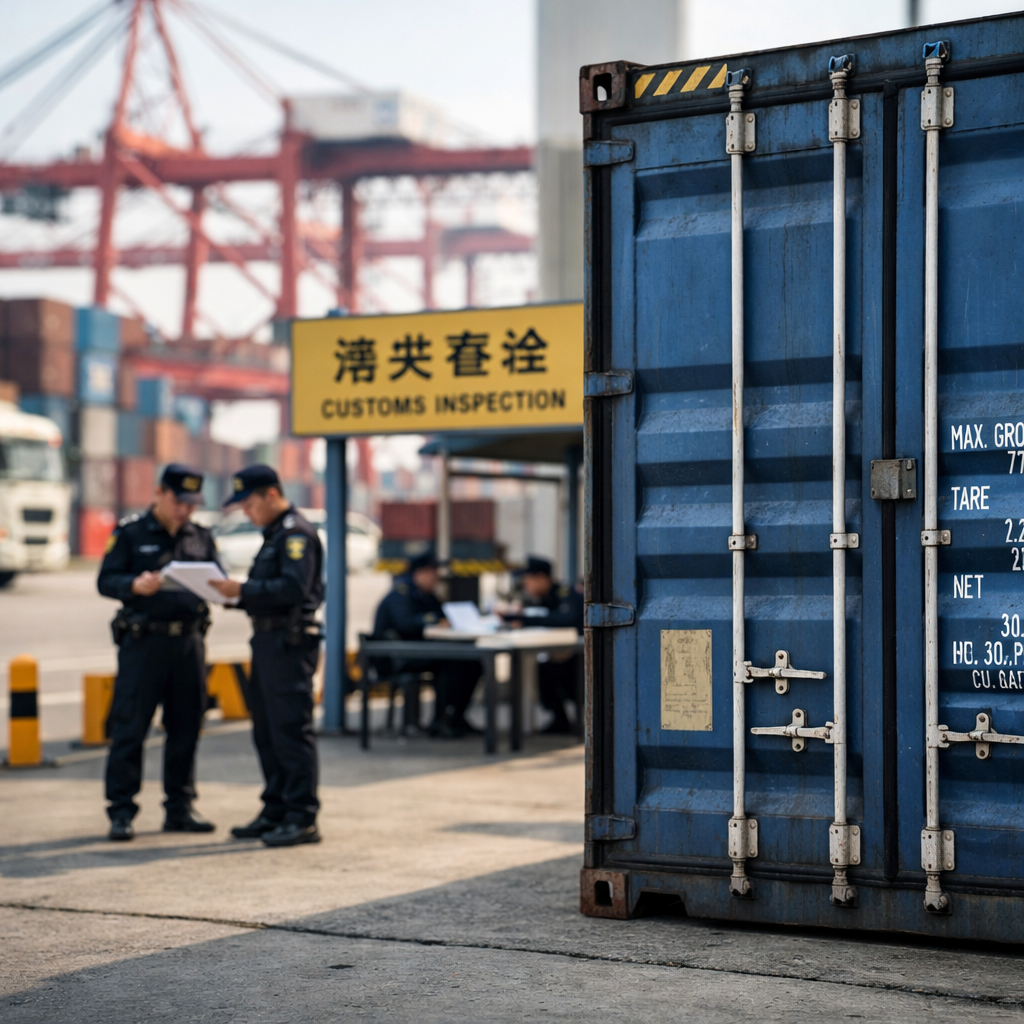
When your shipping container arrives at a Chinese port and customs officers demand to see your CCC certificate, the conversation ends quickly. No certificate means no entry—your products get detained, your launch timeline collapses, and your China market strategy stalls before it starts. The China Compulsory Certification mark isn’t a suggestion or a nice-to-have quality badge. It’s a legal gateway that separates compliant manufacturers from those scrambling to understand why their goods are stuck in bonded warehouses.
The CCC mark represents China’s mandatory safety and quality certification system, enforced since 2002 to ensure that products sold or exported to China meet specific regulatory standards. Unlike voluntary certifications that enhance brand reputation, CCC certification is a compliance prerequisite. Products ranging from consumer electronics to electrical appliances must bear this mark before they can legally enter Chinese distribution channels. The certification confirms that your product has undergone rigorous testing, factory inspections have verified your manufacturing processes, and Chinese authorities have approved your compliance with national safety requirements.
For international manufacturers, the question isn’t whether to pursue CCC certification—it’s how much it will cost and how long it will take. Understanding these realities before you commit production resources determines whether your China market entry succeeds or becomes an expensive lesson in regulatory preparedness.
Understanding CCC Mark Coverage: Which Products Face Mandatory Certification
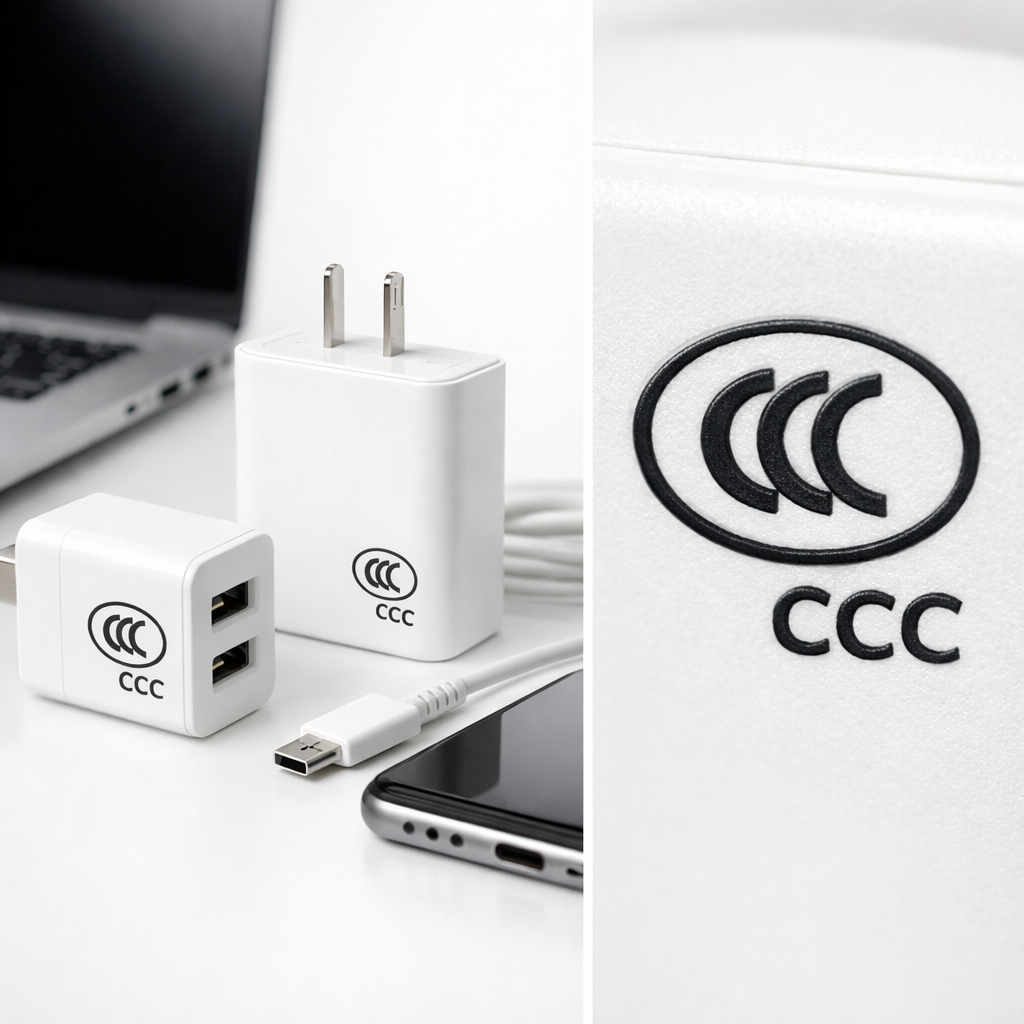
The CCC system casts a wide net across product categories that Chinese regulators consider critical for consumer safety and market quality. Consumer electronics like laptops, tablets, and mobile phone chargers fall squarely within CCC scope. Power supplies, adapters, and battery-operated devices require certification. Electrical appliances including kitchen equipment, heating devices, and household tools need the mark. Even power banks—those portable charging devices travelers rely on—must carry valid CCC certification before they can be sold in China or carried through Chinese airport security.
The consequences of missing or incorrect CCC certification extend beyond simple market access denial. Products discovered without proper certification face confiscation. Companies attempting to circumvent CCC requirements risk administrative penalties, business license complications, and permanent damage to their China market reputation. Chinese customs officials don’t negotiate on CCC compliance—they enforce it systematically.
What catches many foreign manufacturers off guard is the specificity required. Your product might have CE marking for Europe or FCC approval for the United States, but these certifications hold zero weight at Chinese borders. China’s regulatory framework operates independently, assessing products against Chinese national standards that often differ substantially from Western requirements. China’s regulatory framework operates independently, assessing products against Chinese national standards that often differ substantially from Western requirements. A power adapter that passes European safety testing may fail Chinese electromagnetic compatibility standards. A consumer electronics device certified for North American markets might not meet China’s specific environmental or materials regulations.
This regulatory independence creates a certification trap for unprepared manufacturers: assuming your existing international certifications somehow transfer to China, only to discover this assumption during customs clearance when it’s far too late to correct course quickly.
The CCC Certification Process: Steps That Determine Your Timeline
Obtaining the CCC mark follows a structured process that involves multiple parties and verification stages. The journey begins with accurate product category identification—determining precisely which CCC certification category your product falls under based on Chinese product classification systems. This initial step matters more than most manufacturers realize because incorrect category assignment leads to rejected applications, wasted testing efforts, and timeline delays measured in months.
After confirming your product category, you submit a formal certification application to an authorized certification body in China. These certification bodies—organizations approved by China’s State Administration for Market Regulation—review your application and supporting materials. The application package must include detailed technical documentation describing your product specifications, manufacturing processes, quality control systems, and component sourcing information.
Product testing represents the most technically rigorous phase. Your samples ship to accredited testing laboratories in China where engineers subject them to standardized tests measuring electrical safety, electromagnetic compatibility, environmental performance, and category-specific requirements. A laptop undergoes different testing protocols than a power supply, but both face intensive technical scrutiny. Testing labs issue formal reports documenting whether your product meets applicable Chinese national standards.
Simultaneously, factory inspections verify that your manufacturing environment can consistently produce CCC-compliant products. Auditors visit your production facility to assess quality management systems, production equipment, testing capabilities, and process controls. They review production records, examine raw material sourcing, and verify that your factory implements the procedures documented in your certification application.
Only after both product testing and factory inspection yield positive results does the certification body issue your CCC certificate and approve your use of the CCC mark. This certificate specifies exactly which product models are covered, under which manufacturing conditions, and for what certification period.
Breaking Down CCC Certification Costs: What You Actually Pay
The total cost of obtaining CCC certification varies significantly based on product complexity, testing requirements, and factory location, but understanding the cost components helps you build realistic budgets.
Application fees to certification bodies typically range from $500 to $1,500 USD per product category. These fees cover administrative processing and certification body overhead. While modest compared to other costs, they’re non-refundable regardless of certification outcome.
Product testing costs represent the largest expense variable. Simple products with straightforward testing protocols might incur testing fees between $3,000 and $8,000 USD. Complex products requiring extensive electromagnetic compatibility testing, environmental assessment, and performance verification can easily exceed $15,000 to $25,000 USD in testing charges. Testing labs charge by test protocol, not by desired outcome—if your product fails initial testing and requires modifications and retesting, you pay testing fees again.
Certification body charges beyond initial application fees add another $1,000 to $3,000 USD for certificate processing, technical review, and mark approval procedures.
Factory inspection expenses combine travel costs for auditors, on-site assessment fees, and follow-up verification charges. Expect $2,000 to $5,000 USD for factory audits, with higher costs for remote manufacturing locations or facilities requiring multiple audit cycles to achieve compliance.
Translation and technical consulting often add $2,000 to $6,000 USD for manufacturers working with Chinese certification partners who manage documentation, liaise with testing labs, and handle regulatory communications.
For a moderately complex product, total CCC certification costs realistically range from $10,000 to $35,000 USD. High-complexity products or those requiring multiple certification categories can reach $50,000 USD or more. These figures represent successful certification—products failing tests and requiring redesign face duplicated costs.
Timeline Realities: How Long CCC Certification Actually Takes
Chinese regulatory authorities quote official timelines, but real-world certification experiences extend well beyond optimistic projections. Understanding typical lead times prevents scheduling disasters and unrealistic stakeholder expectations.
Application preparation and submission consumes 2-4 weeks for well-organized manufacturers with complete technical documentation. Companies scrambling to compile required materials often spend 6-8 weeks before submitting acceptable applications.
Product testing requires 6-12 weeks under normal circumstances. This timeline assumes your samples arrive at testing labs promptly, labs have capacity to begin testing immediately, and your product passes all required tests on the first attempt. Products failing tests and requiring modifications easily extend testing phases to 4-6 months when you factor in design revisions, component changes, sample remanufacturing, and rescheduled testing.
Factory inspections typically occur within 4-6 weeks after testing completion, though scheduling depends on auditor availability and factory preparedness. Facilities requiring corrective actions before passing inspection add another 6-8 weeks for remediation and re-audit.
Certificate issuance takes 2-4 weeks after successful testing and factory approval, as certification bodies complete final reviews and issue official documentation.
End-to-end certification timelines spanning 4-6 months represent reasonably smooth processes for manufacturers who properly prepare, accurately classify products, and achieve first-time testing success. Companies facing complications regularly experience 8-12 month certification cycles. The critical insight: CCC certification doesn’t fit compressed product launch schedules—you need substantial lead time built into China market entry planning.
Budget Planning for CCC Certification: Building Realistic Financial Forecasts
Smart manufacturers approach CCC certification as a strategic investment requiring careful financial planning, not an unexpected expense discovered late in product development.
Start by mapping your complete product scope against CCC certification categories. If you’re launching multiple product variants or accessories, each may require separate certification or category-specific testing. Early-stage product scope definition prevents budget surprises when you discover that your “single product line” actually requires three different CCC certificates.
Obtain formal quotes from multiple certification bodies and testing laboratories before committing budgets. Quote variations between providers often reach 30-40% for identical services due to different fee structures, geographic coverage, and technical capabilities. Comparing detailed quotes reveals which providers offer comprehensive support versus minimal compliance processing.
Build phased budgets covering application preparation, testing, factory inspection, and contingency reserves. Allocating 20-30% contingency funds for unexpected testing failures, documentation gaps, or timeline extensions protects your certification program from budget crises when complications emerge.
Account for internal resource costs beyond direct certification fees. Your technical team will spend substantial time preparing documentation, coordinating sample shipments, responding to auditor questions, and implementing any required design changes. These internal labor costs easily equal or exceed external certification expenses for smaller manufacturers.
Consider certification timing relative to production planning. Starting certification activities before finalizing product designs creates expensive rework when design changes invalidate completed testing. Waiting until production ramp-up to begin certification guarantees market entry delays. The optimal approach: initiate certification during late-stage product development when designs have stabilized but manufacturing hasn’t yet committed to large-scale production.
Practical Preparation Tips: Setting Yourself Up for Certification Success
Manufacturers who successfully navigate CCC certification share common preparation practices that reduce delays and prevent costly mistakes.
Confirm proper product classification before investing in testing. Certification bodies maintain detailed product category guidelines, but interpretation requires experience with Chinese classification systems. Misclassifying your product leads to failed certifications because you’ve tested against wrong standards. Engaging experienced China certification consultants early prevents this expensive error.
Prepare complete technical files before application submission. Incomplete documentation triggers request-for-information cycles that stretch timelines by weeks. Required materials include detailed product specifications, component lists with manufacturer information, circuit diagrams, quality control procedures, and manufacturing process descriptions. Organizing these materials in advance accelerates application processing.
Engage certification partners with established testing lab relationships. Certification bodies with strong lab partnerships can expedite sample testing, secure priority scheduling, and troubleshoot technical issues quickly. Generic certification consultants without lab relationships offer minimal value beyond paperwork management.
Schedule factory audits early to identify compliance gaps before formal inspection. Pre-audit assessments reveal quality system weaknesses, documentation deficiencies, and procedural gaps while you still have time for corrective action. Waiting for official factory inspection to discover problems guarantees timeline extensions.
Maintain detailed records throughout your certification journey. Documentation proving testing compliance, factory assessment results, and design specifications becomes critical if questions emerge during certificate renewal, product modifications, or regulatory audits years after initial certification.
Common Pitfalls That Derail CCC Certification Projects
Even experienced manufacturers make predictable mistakes that transform straightforward certification into prolonged compliance struggles.
Underestimating total costs ranks as the most common budget failure. Manufacturers focus exclusively on testing fees while ignoring certification body charges, factory audit expenses, translation costs, and rework budgets. When complications arise—and they frequently do—inadequate budgets force painful choices between quality shortcuts and timeline delays.
Inaccurate product category assignment wastes months of effort testing against wrong standards. A manufacturer certifying an industrial power supply under consumer electronics categories discovers too late that industrial product standards differ substantially, invalidating completed testing and requiring complete process restart.
Starting certification too late in product development creates impossible scheduling conflicts between certification timelines and market launch commitments. Promising stakeholders that products will launch in China within six months while simultaneously starting CCC certification sets up guaranteed disappointment.
Assuming overseas certifications transfer reflects fundamental misunderstanding of China’s regulatory independence. Your UL listing, CE mark, or FCC approval confirm compliance with Western standards—Chinese regulators don’t care. CCC certification assesses products against Chinese national standards using Chinese testing protocols in Chinese laboratories. CCC certification assesses products against Chinese national standards using Chinese testing protocols in Chinese laboratories. Western certifications provide zero shortcuts through this process.
Neglecting factory inspection readiness becomes painfully evident when auditors arrive at unprepared facilities. Manufacturers focused exclusively on product testing often discover their factory quality systems, documentation practices, and process controls fall short of CCC requirements. The resulting corrective action periods and re-audits extend timelines substantially.
Navigating China’s Regulatory Complexity with Expert Guidance
Understanding CCC mark costs and timelines represents just one element of successfully entering China’s market. The regulatory landscape extends far beyond product certification into contract frameworks, intellectual property protection, compliance management, and dispute resolution mechanisms that operate according to Chinese legal principles unfamiliar to Western businesses.
iTerms AI Legal Assistant bridges this complexity gap through specialized China legal intelligence developed specifically for international businesses navigating Chinese regulatory requirements. Built on FaDaDa’s decade of experience serving over 100,000 global clients including 200+ Fortune 500 companies, iTerms combines certified legal expertise with advanced AI technology to deliver practical guidance when you face real compliance decisions.
When you’re reviewing manufacturing agreements with Chinese suppliers, evaluating IP protection strategies, or structuring market entry frameworks, iTerms provides contextual legal analysis grounded in Chinese regulatory realities. The platform’s AI-powered contract intelligence helps you draft China-compliant agreements that address certification requirements, quality standards, and regulatory obligations specific to your products and business model.
Rather than generic legal advice divorced from practical business realities, iTerms focuses on decision-focused guidance that helps you understand Chinese legal frameworks, identify compliance risks before they create problems, and implement protective measures aligned with both Chinese requirements and international business practices.
The CCC certification journey tests your preparation, reveals gaps in regulatory understanding, and demonstrates whether your China market strategy accounts for compliance realities or operates on optimistic assumptions. Getting it right requires understanding not just certification mechanics but the broader legal and regulatory context within which your business will operate in China.
Start your certification planning early, budget realistically, prepare thoroughly, and recognize that navigating Chinese regulatory requirements successfully demands both technical compliance and strategic legal positioning. The manufacturers who thrive in China’s market don’t just obtain CCC marks—they build comprehensive legal and compliance frameworks that support sustainable business operations in one of the world’s most complex regulatory environments.